Thirty Years of Space

For over three decades, C-CORE has driven innovation in Canada’s space sector. From building mission-critical components to launching our own satellites, we’ve earned a reputation as a trusted partner worldwide. Our expertise spans from R&D to operational deployment, working with resource industries, governments, and defense organizations to transform advanced surveillance and Earth observation technologies into practical solutions. From offshore energy to Arctic security, C-CORE delivers the tools and insight to tackle your most complex challenges.

1992


First ESA Contract


Consortium for Industrial use of Space
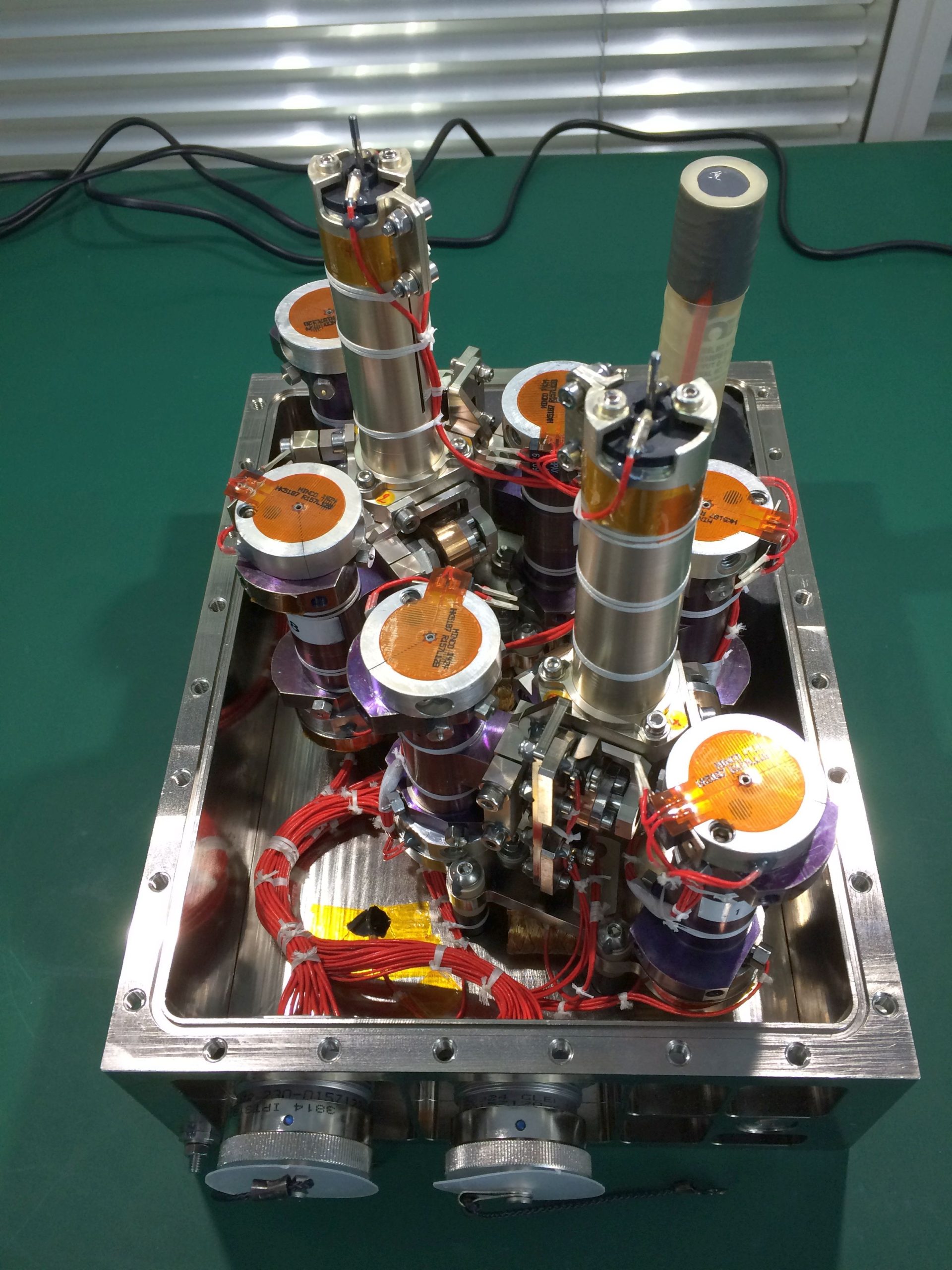
Soret Coefficients in Crude Oil (SCCO) payload with the different cells containing crude samples for testing in microgravity.

1990s


Microgravity work


US Space Shuttle
Get Away Special


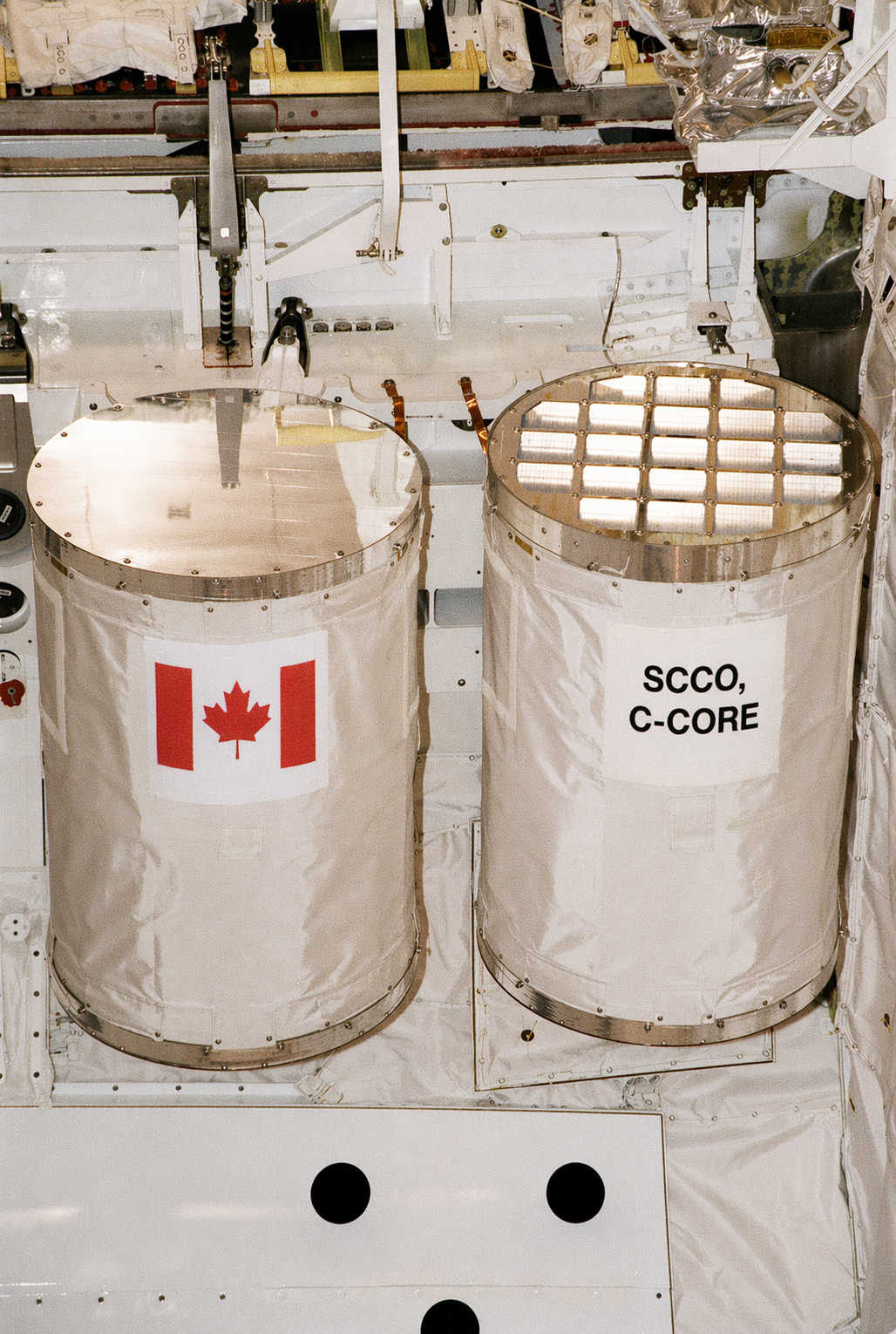
SCCO Get Away Special Payload on board a US Space Shuttle Flight to Microgravity.

1995


RADARSAT-1 Launch


Early work in maritime surveillance

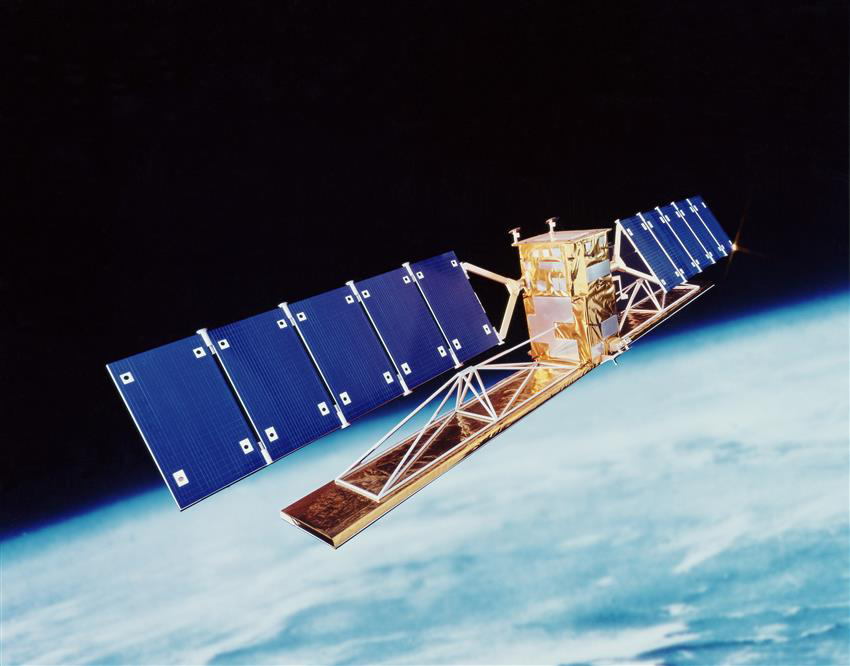
RADARSAT-1 was Canada’s first commercial Earth observation satellite, launched on November 4, 1995, and operational for 17 years until March 2013. Using Synthetic Aperture Radar (SAR) to capture imagery through clouds, smoke, and darkness, it provided vital data for marine monitoring, ice surveillance, disaster management, and agriculture. Illustration courtesy of the Canadian Space Agency

1997


ESA Harsh Environments Initiative


Space Technology Adaptation
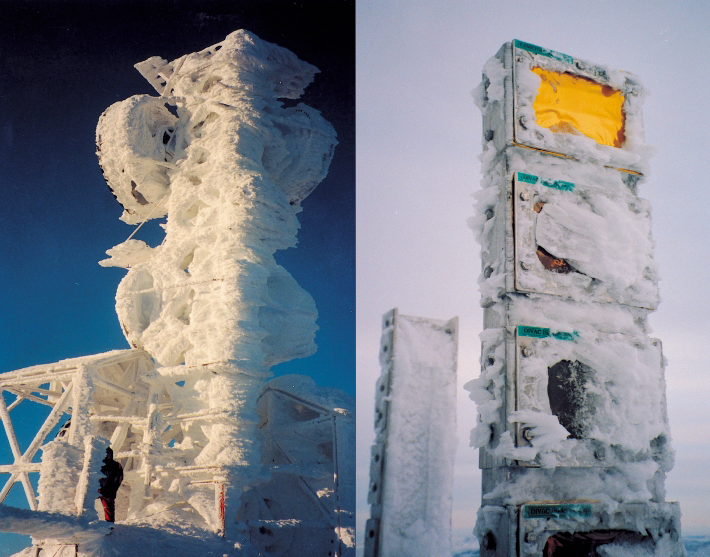
Bell Aliant communication station on Monkey Hill, Makkovik, Labrador was subject to experiments of ice phobic materials by C-CORE as part of the ESA Harsh Environments Initiative.

2000s


Microgravity work


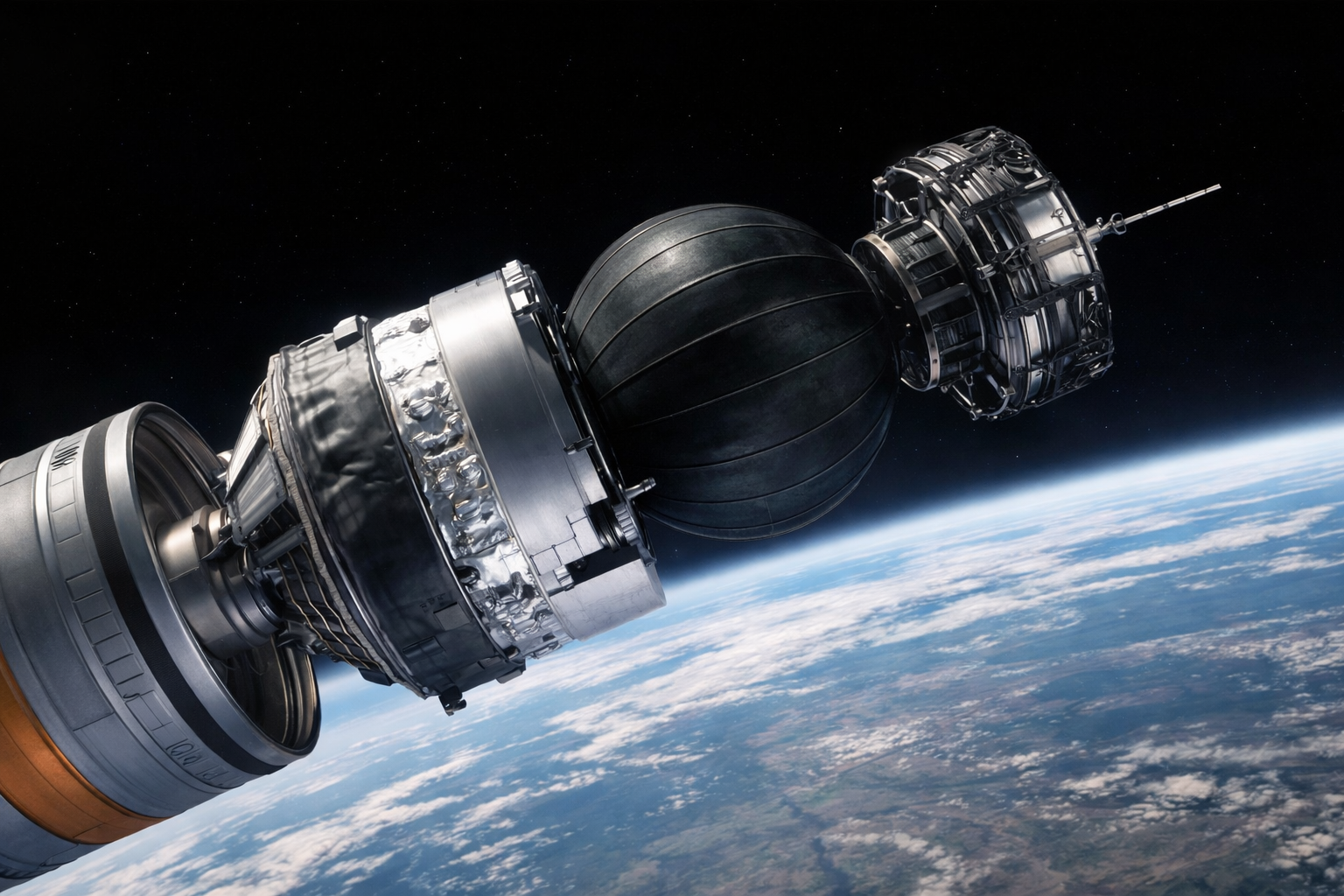
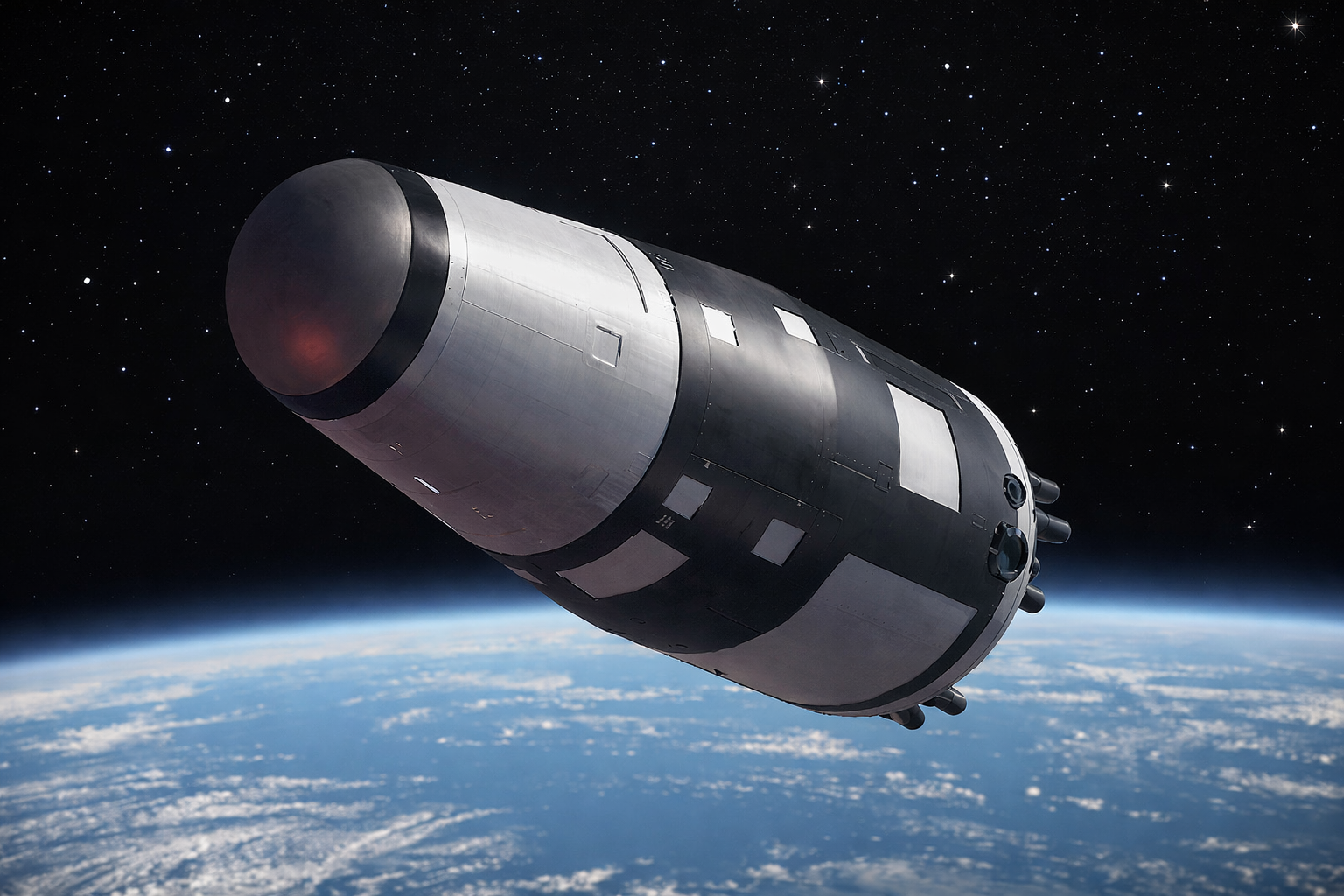
This render shows a Foton M1 microgravity capsule on top of a Soyuz rocket before the capsule is launched into orbit. C-CORE was involved in a series of microgravity experiment on determining Soret Coefficients in Crude Oil on Foton M1 to M2 missions.

2002


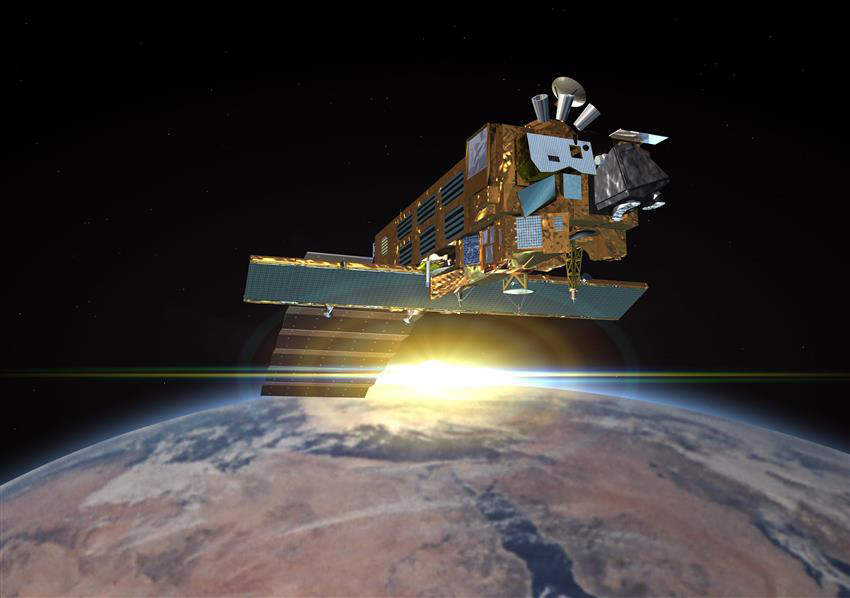
ENIVSAT Launch


Copyright European Space Agency

2003


Northern View


Consortium under ESA GMES Program
The Northern View was a consortium led by C-CORE that received funding from Stage 1 of the ESA Global Monitoring of the Environment and Security Program

2000s


CSA and ESA Projects on EO


Icebergs, River Ice, Pipeline Monitoring
Throughout the 2000s, C-CORE led a series of Earth Observation applications developments involving iceberg monitoring, river ice monitoring and pipeline monitoring.

2005


Polar View


Consortium for Industrial use of Space


Polar View was a consortium led by C-CORE that received funding from Stage 2 of the ESA Global Monitoring of the Environment and Security Program. At the time it was launched Polar View was the largest contract ever issued by ESA ESRIN in 2005. Polar View became sustainable as an independent company shortly after the project completed in 2013. Today Polar View is the world’s leading organization for the provision of operational, satellite-based monitoring of the polar regions and the cryosphere. Polar View operates our of Copenhagen, Denmark.

2007


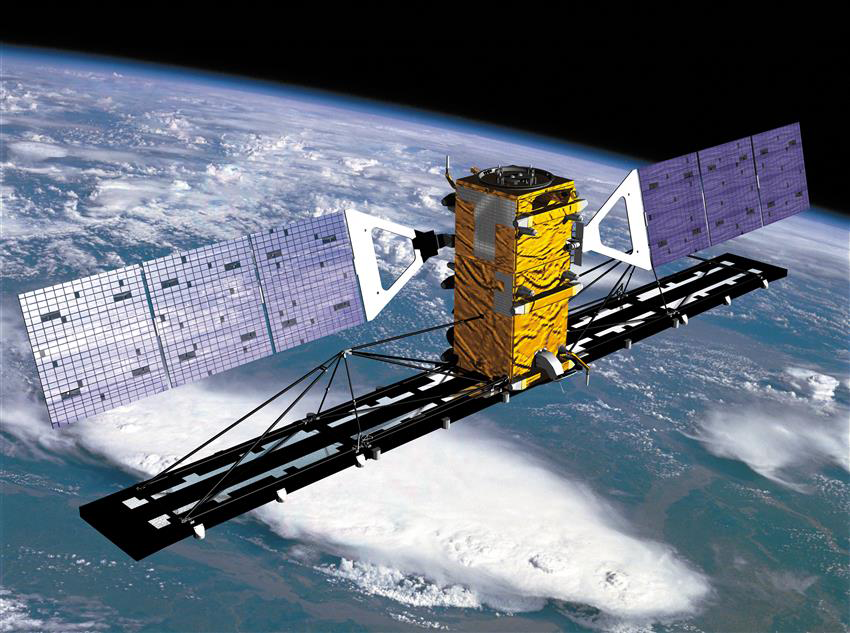
RADARSAT-2 Launch


RADARSAT-2 is one of the world's most advanced commercially available synthetic aperture radar satellites that offers users around the world an extensive range of high-quality data products for hundreds of applications. Illustration courtesy of the Canadian Space Agency

2008


Modex


TransponderThe RADARSAT-2 Moving Object Detection Experiment (MODEX) is an experimental SAR-GMTI (Ground Moving Target Indication) mode developed to detect and monitor moving vehicles on Earth's surface. C-CORE built the transponder that validated the MODEX mode for Defence R&D Canada.

2011


LOOKNorth


Centre of Excellence Focused on Arctic Remote Sensing


LOOKNorth enabled commercialization of remote sensing innovation to benefit Canadian SMEs & Northern communities by providing technical, business development and financial support.

2013


Final Microgravity Experiment


Chinese SJ-10
The Shi Jian-10 spacecraft carried 20 experiments covering fluid physics, materials science, and the effects of radiation and microgravity on various biological systems. C-CORE contributed to the Soret Coefficients in Crude Oil experiment that flew on that mission.

2014


Sentinel-1 Transponder


First Contact


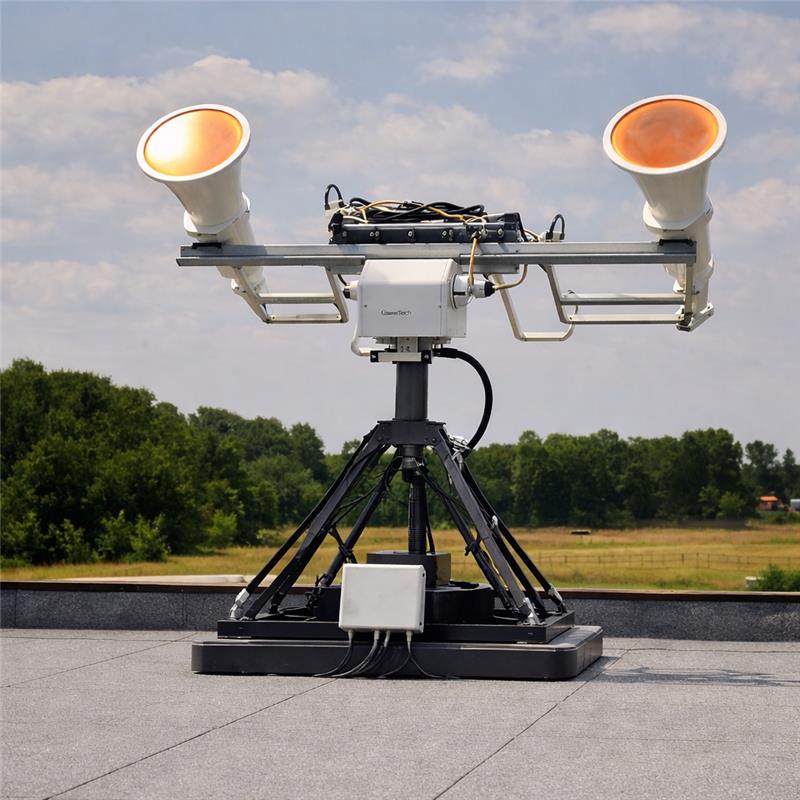
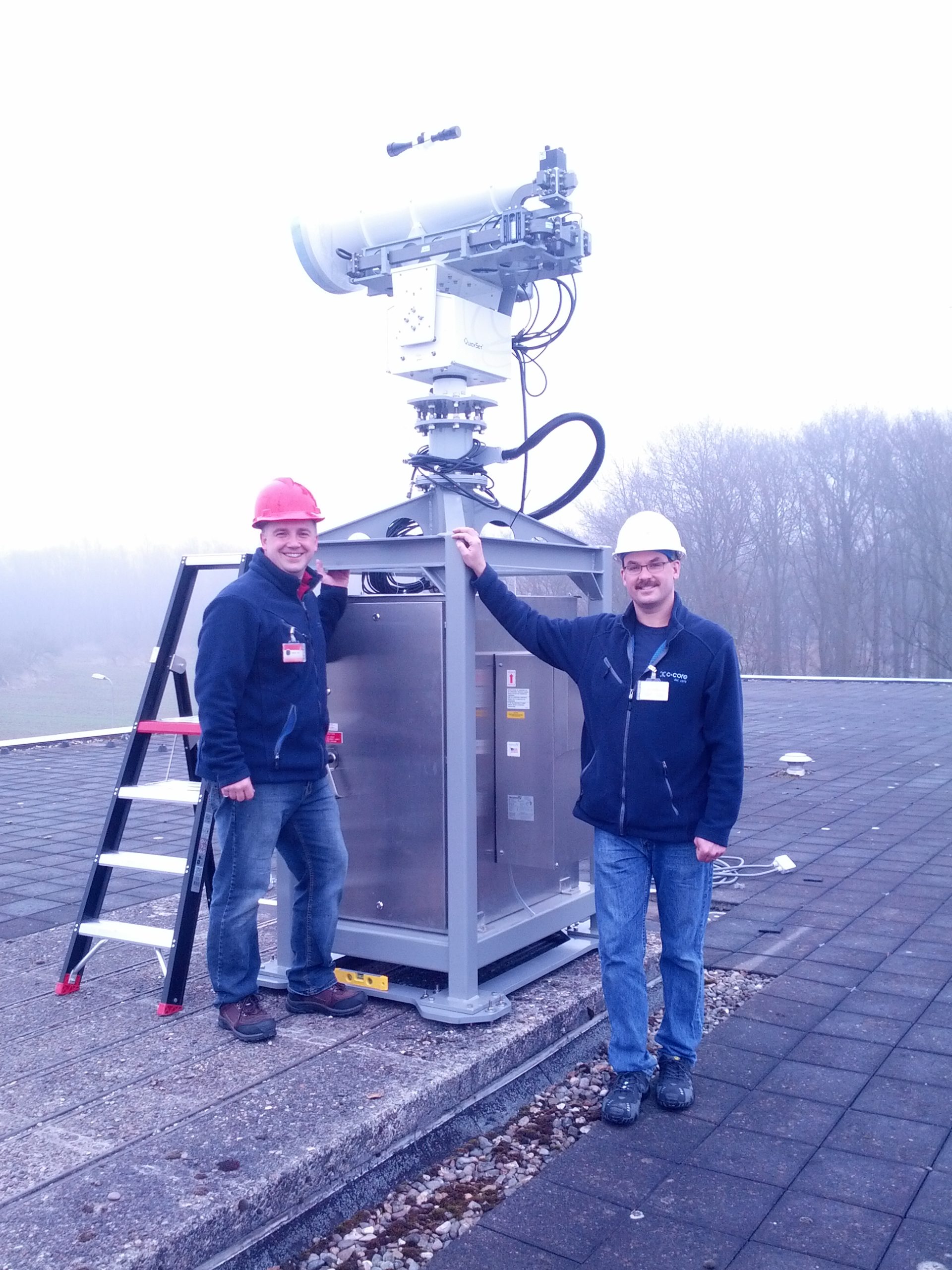
C-CORE built three precision calibration transponders for the ESA Sentinel-1 synthetic aperture radar. The transponders and meant to mimic a precisely sized point target and is used to ensure that the satellite's payload is working according to its specifications

2016


Iceberg Services


ML Based Discrimination


C-CORE launched a commercial iceberg surveillance subscription service in 2016 that was initially based on Sentinel-1 SAR. Today, it is based on a large variety of SARs including Sentinel-1, RADARSAT Constellation Mission, TerraSAR-X, Cosmo SkyMed and others.

2018


Biomass Transponder


Contract Issued


C-CORE was contracted by Airbus Defence and Space to build a precision calibration transponder for the Biomass mission. This transponder is the first ever self calibrating synthetic aperture radar transponder for P-Band (435 MHz),. It is a much larger transponder than has been built for other synthetic aperture radar missions.

2018


Inuvik Ground Station


GHGSat Contract
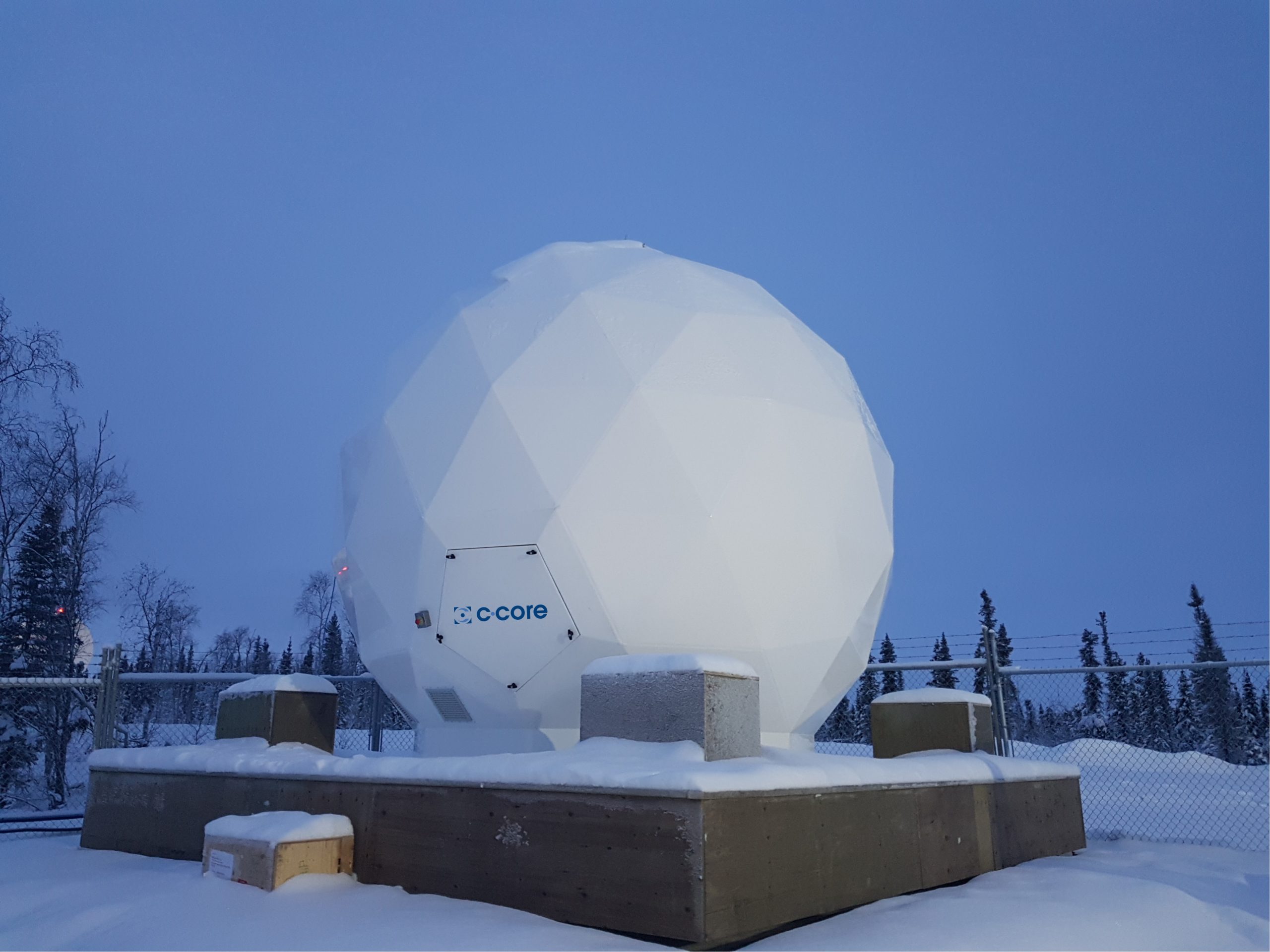
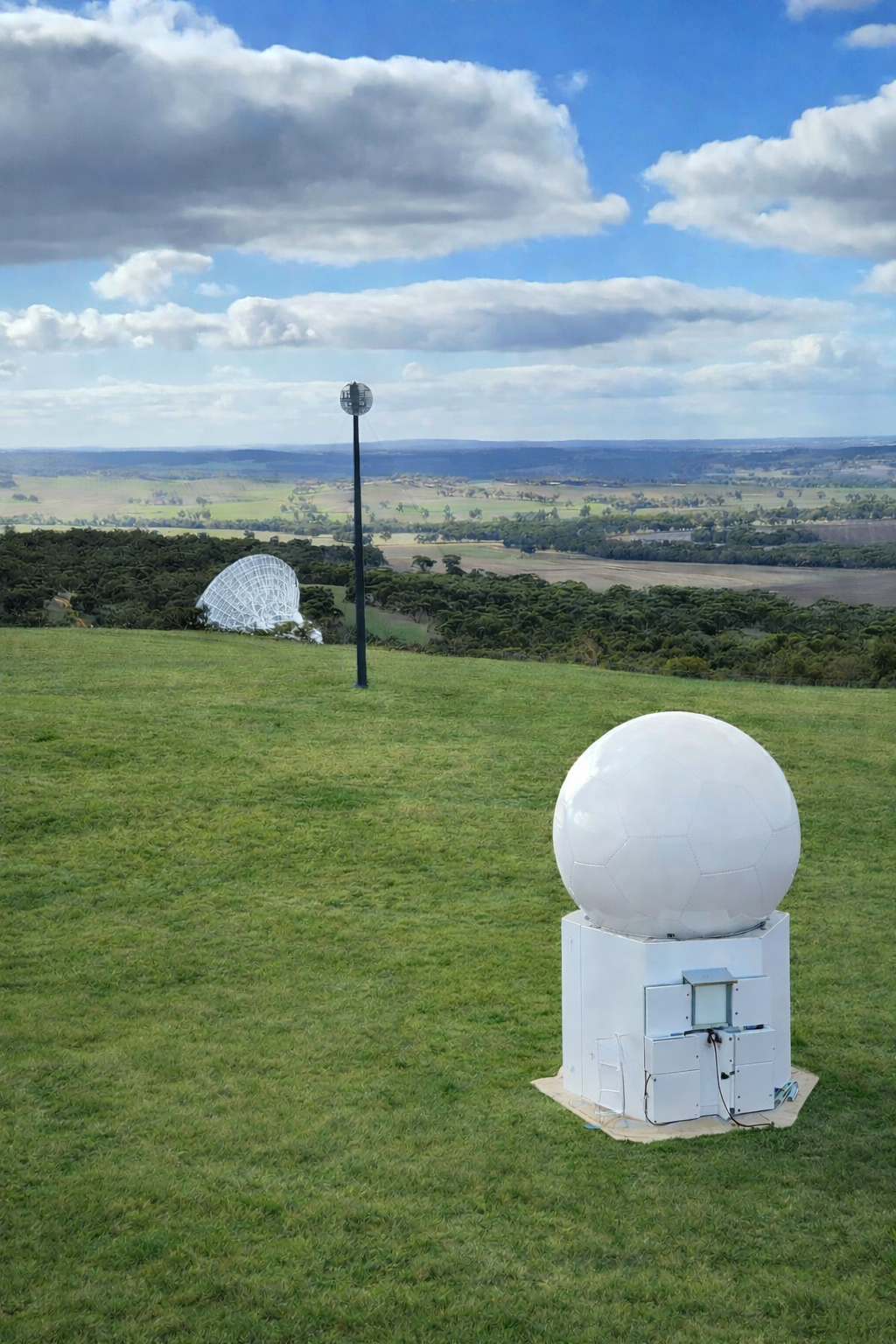
Inuvik’s Satellite Station Facility hosts C-CORE alongside Canadian, German, Swedish, and French operators, leveraging its secure Natural Resources Canada site, dependable high-speed fibre link, and year-round operations.

2018


COREsight Development


Cloud Earth Observation Services
Coresight was rolled out by C-CORE in 2018. Coresight is a platform that provides data handling for earth observation satellites, other acquisition platforms, and ancillary data; product generation for information extraction of features (e.g., landscape features) based on machine learning models; dissemination interfaces for end users and stakeholders. Coresight operationalizes AI on C-CORE projects and has proven there is a market for advancing this platform for multiple AI models. Coresight has two key business models – technology licensing for end user implementations, and operational services delivering products.

2018


Killick-1


1st NL Earth Observation Satellite
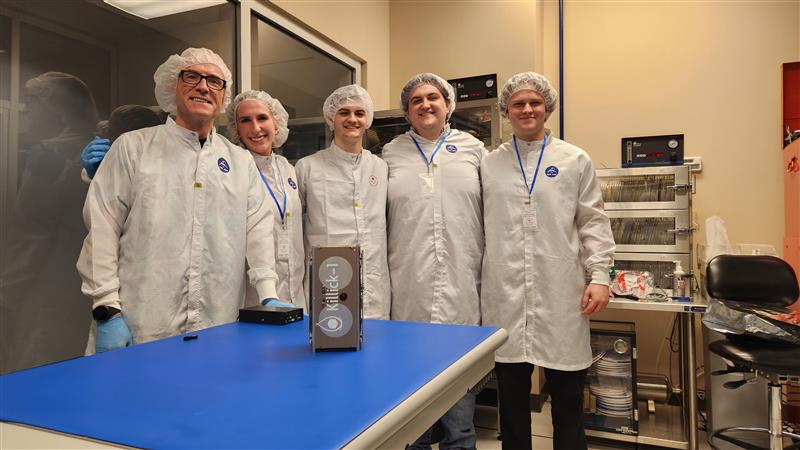
Killick-1 was Newfoundland and Labrador's first Earth Observation Satellite. The project was a joint initiative of C-CORE and Memorial University on the Canadian CubeSat Project, which was first initiated in 2018. Shown here are C-CORE's Des Power with four Memorial students Victoria Vaters, Cameron King, Matthew Fewer and Daniel Dolomount. The picture shows the Killick-1 satellite in a clean room at CSA headquarters just prior to integration of the satellite into the Nanoracks Launcher. Integration took place in November 2022, and Killick was launched from Kennedy Space Centre in 2023. It was placed into orbit from the International Space Station in May of 2023.

2019


RADARSAT Constellation Launch


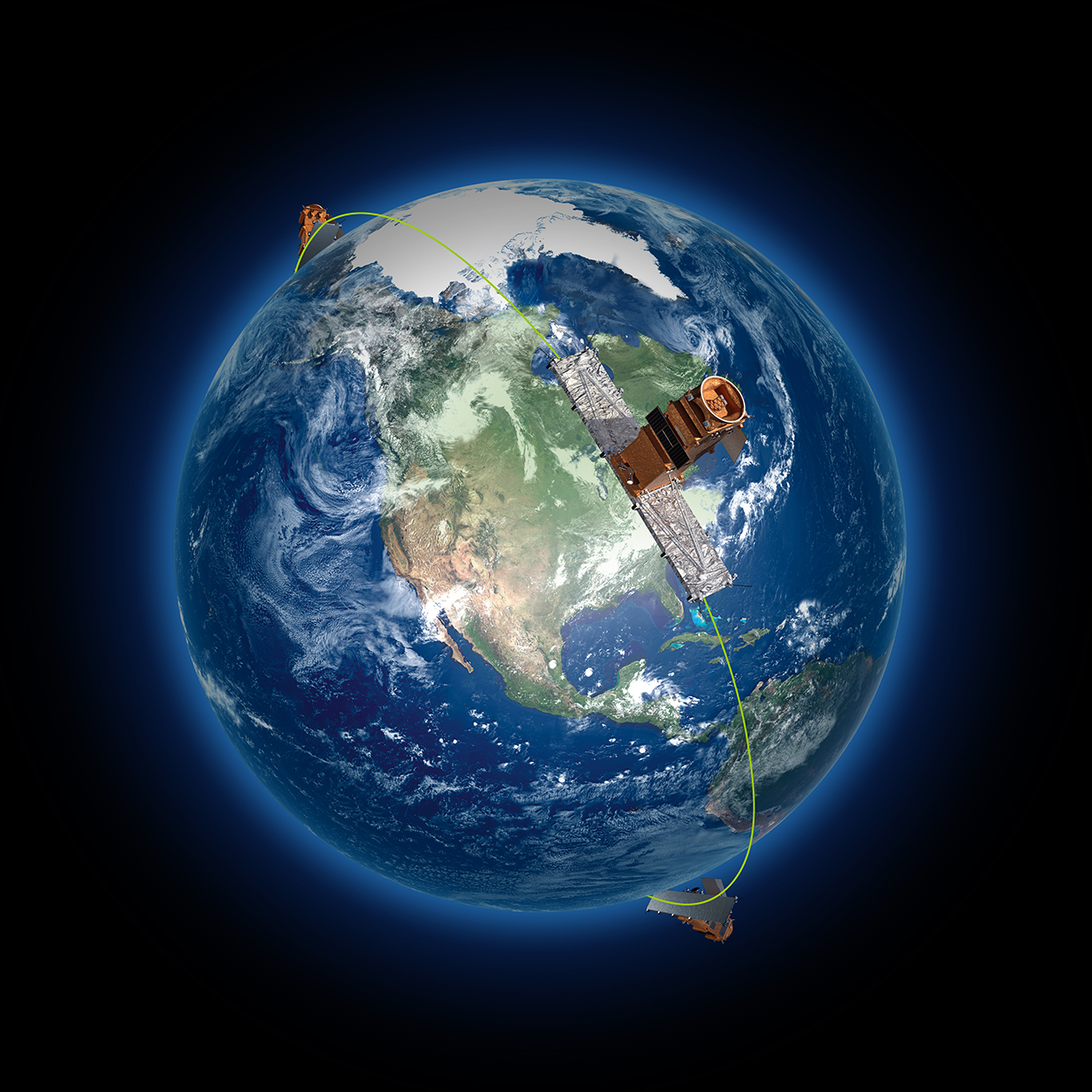
The RADARSAT Constellation Mission (RCM), launched in June 2019, is a Canadian program using three identical, small C-band Synthetic Aperture Radar (SAR) satellites to provide daily imaging of Canada and up to 90% of the world's surface. It ensures data continuity, improved maritime surveillance, disaster management, and environmental monitoring. Illustration courtesy of the Canadian Space Agency

2021


ArcticX


IRSA Consortium
ArcticX is an annual demonstration by C-CORE and its European Partners of its capabilities for the Integrated Remote Sensing for the Arctic (IRSA) service. The IRSA Service is a systems of systems approach using satellite, remotely piloted aircraft, drones and real time data analytics. The first ArcticX took place in 2021. So far, there have been five successful ArcticX campaigns.

2021


Happy Valley-Goose Bay Ground Station


Airbus/Infostellar Contract
C-CORE's Happy Valley Goose Bay satellite ground station was constructed in Labrador in 2020. The first data were downlinked to this station from TerraSAR-X through a contract with Infostellar out of Japan and Airbus out of Germany.

2023


MUNStar-1


2nd NL Earth Observation Satellite
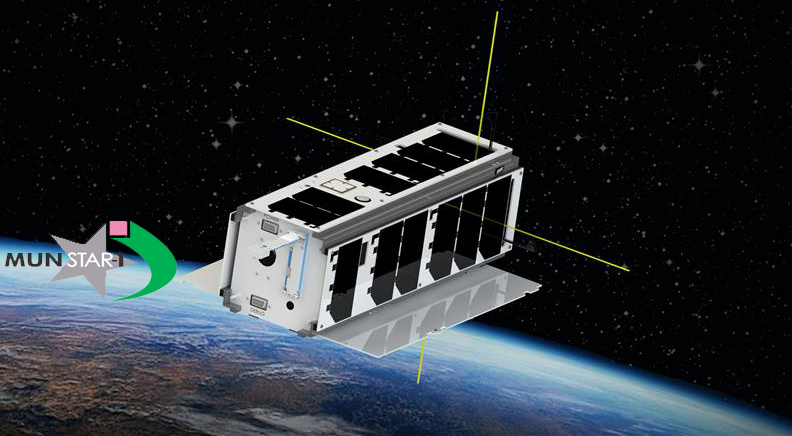
MUNStar-1 is Newfoundland and Labrador's second Earth Observation Satellite. The project is a joint initiative of C-CORE and Memorial University on the Canadian Space Agency's CUBICS Initiative. The satellite has a GNSS-Reflectometry Payload, similar to Killick-1.

2025


Gray Jay


Defence Contract
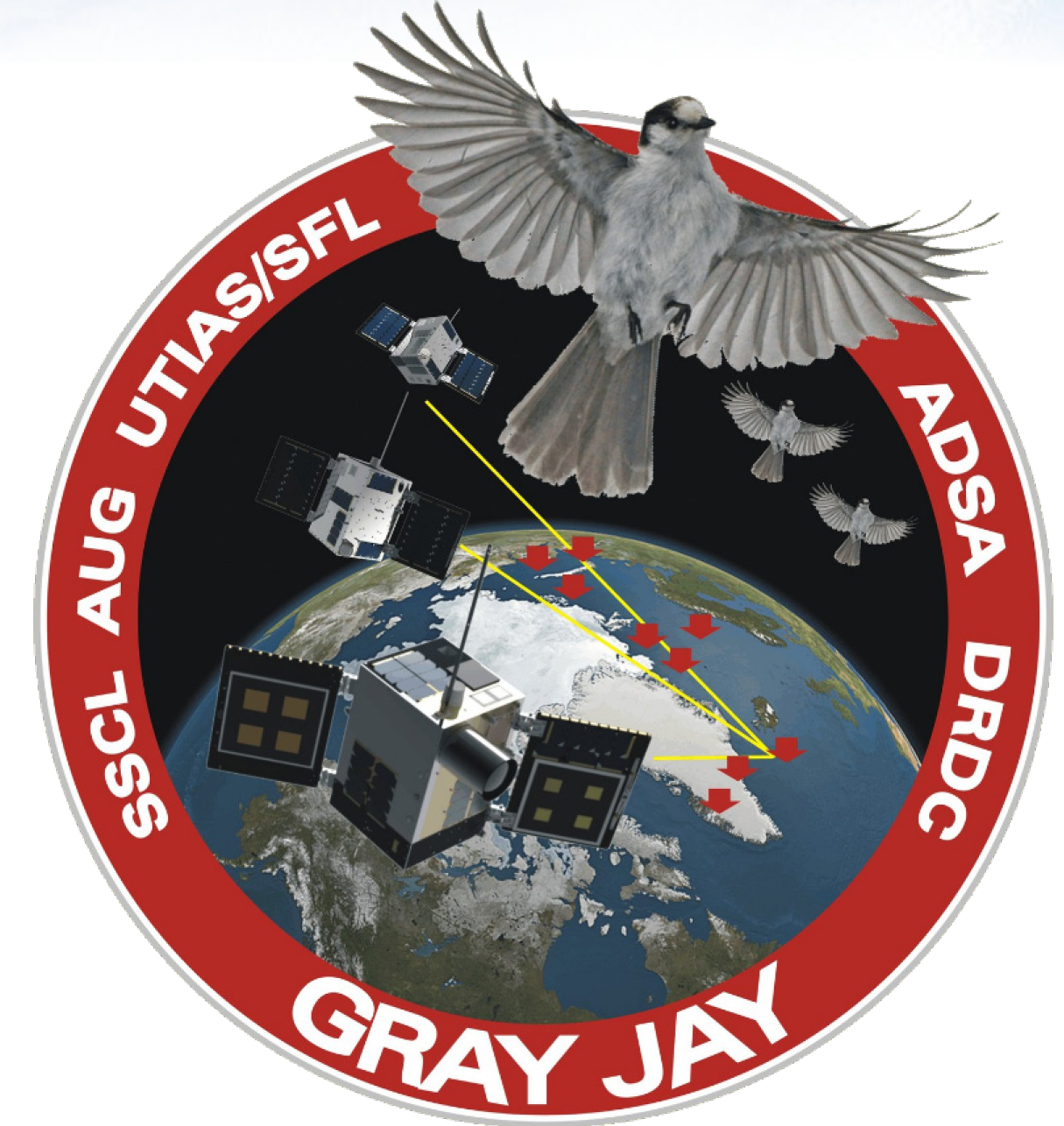
Gray Jay is a formation flying microsatellite constellation of three satellites developed by SFL for the Department of National Defence’s science and technology organization, Defence Research and Development Canada (DRDC), to support Arctic surveillance technology demonstration under the All-Domain Situational Awareness (ADSA) program. Gray Jay data are downlinked to C-CORE's ground stations in Inuvik and Happy Valley Goose Bay.

2025


DALO


Defence Contract
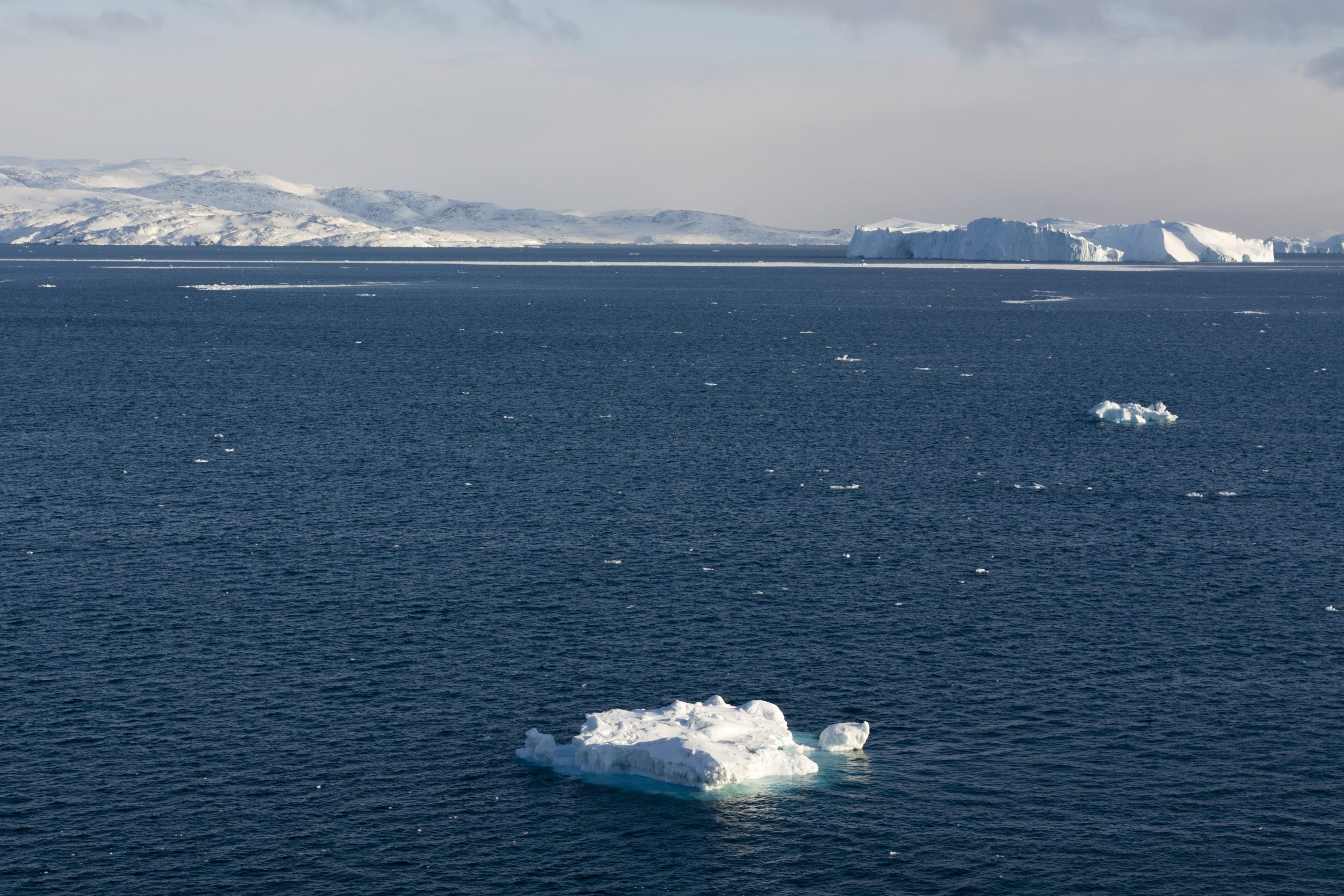
C-CORE and MDSI (Copenhagen, Denmark) have joined forces to offer a maritime domain awareness service using a system of systems approach to the Danish Joint Arctic Command (JACO). JACO's primary mission in peacetime is to ensure Danish sovereignty by monitoring the area around the Faroe Islands and Greenland.

2025


Biomass Launched


First Contact - May 2025
On May 24th, the precision calibration transponder designed, built and installed by C-CORE received the first overpass signal from the ESA’s Biomass satellite.

2025


DREAM-0


1st C-CORE Satellite announced
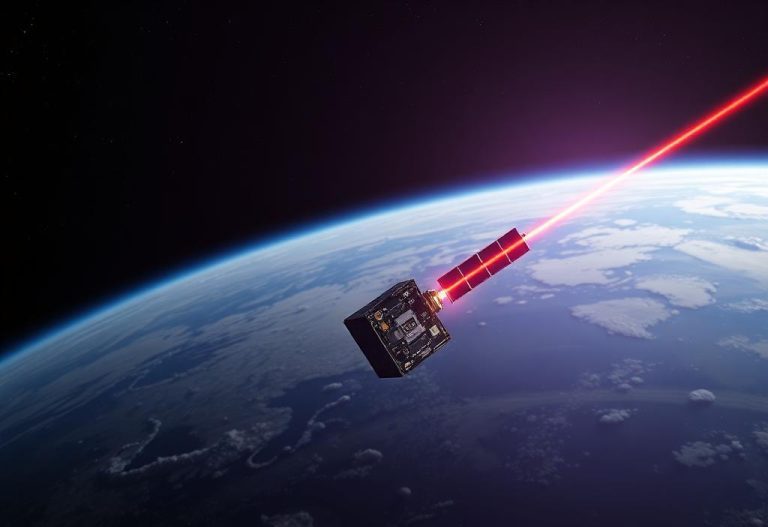
Defence, Research and Development Canada has chooses C-CORE to deliver a first-of-its-kind pilot satellite project, to validate and advance how Canadian-developed technology can provide secure, low-cost, high-data-rate communications from space.